Graduate School of Medical Sciences
A partnership with the Sloan Kettering Institute

Study of Nanoparticles Points to New Imaging Technologies

Tiny carrier molecules called nanoparticles are often attached to radiation-emitting atoms in advanced medical imaging systems such as positron emission tomography (PET). These nanoparticles, paired with the right radioactive partners, can emit their own distinctive and readily detectable radiation—often visible light, according to a study from Weill Cornell Medicine scientists.

A Personal Path to Science

Video of A Personal Path to Science | Susannah Calhoun | Weill Cornell Medicine

For Susannah Calhoun, her differences are also her greatest strengths. As a congenital amputee, she was inspired to overcome the challenges she faced and pursue a future in science, an interest first sparked in high school and culminating in her PhD.

Molecular Biophysics Training Program

The training mission of the Molecular Biophysics Training Program (MBTP) is to produce young scientists who are equipped with the quantitative skills and physical insights required to make impactful contributions in the biological and biomedical sciences.  Biophysics is increasingly making critical contributions to our understanding of biological systems especially as we gain a deeper appreciation for the complexity of such systems.  Our trainees will develop the ability to think broadly about their field of research, to identify important and tractable questions, to plan experiments with c

2019 WCGS Orientation

The 2019 WCSG Orientation for new students beginning their studies in Fall 2019 is on August 19 – 23, 2019.

Tri-Institutional Therapeutics Discovery Institute

The Tri-Institutional Therapeutics Discovery Institute(TDI) connects researchers from Memorial Sloan Kettering Cancer Center, The Rockefeller University and Weill Cornell Medicine with collaborators from across the globe to remove the barriers that impede drug discovery in academic settings. Together with our partner, Takeda, we enable the discovery of next-generation drugs by empowering our faculty with the tools, technology, and expertise to meet this extraordinary challenge.

Modified Inactivated Vaccine May Produce Immune Response as Effective as Live Vaccine

Vaccines containing inactivated versions of disease-causing germs are traditionally not as effective as live vaccines made with weakened pathogens. But new research from Weill Cornell Medicine scientists reveals how a molecule found in live vaccines produces a robust immune response, and adding it to an inactivated vaccine can create the same strong results.

These insights may provide a blueprint for engineering more potent inactivated or “dead” vaccines that can deliver strong immunity while overcoming concerns about the health risks of live vaccines.

Scientific Communications Offerings

WCGS offers courses and workshops to help students develop their scientific writing (research papers, grant proposals) and presentation skills. Listed below are courses and workshops available to graduate students.

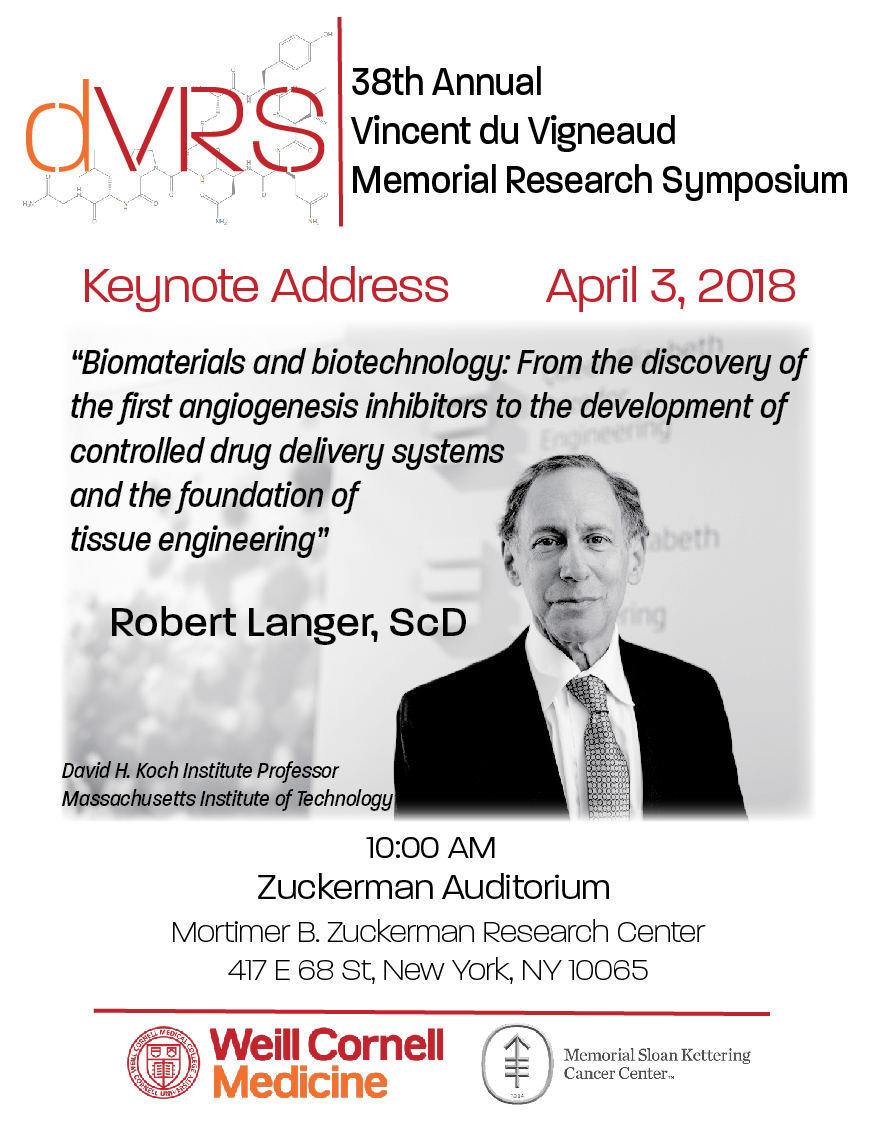
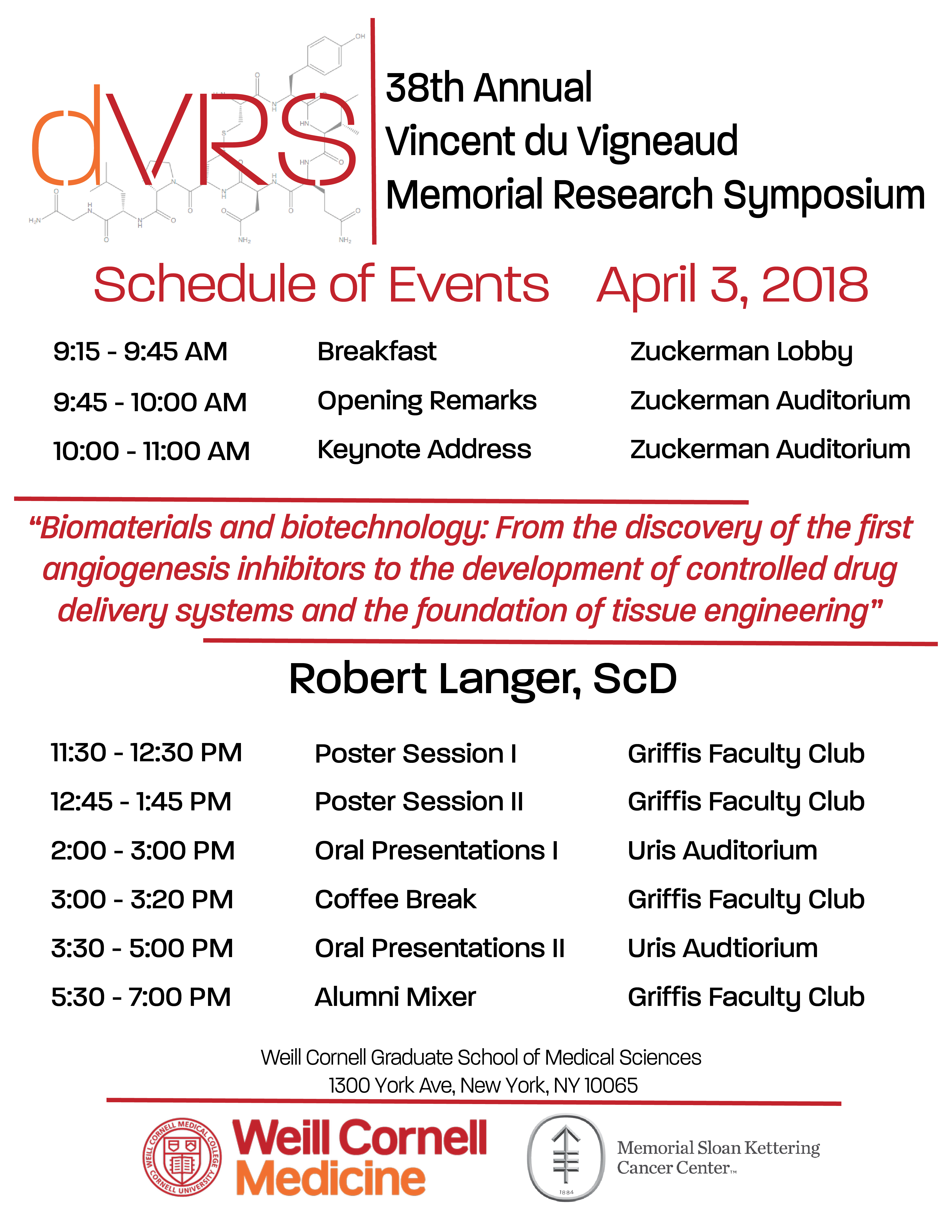
38th Annual du Vignuead Research Symposium